The Death of the CAPTCHA and the Rise of the CLAWCHA: Proof of Machine
For most of the internet’s life, we’ve been asked the same question over and over: "Are you a robot?"
We checked boxes. We clicked on traffic lights. We squinted at warped letters. These tests "CAPTCHAs" worked because they were built on a simple assumption: Humans are good at perception. Machines are not.
That assumption no longer holds. We need a REVERSE TURING TEST.
Modern AI models can recognize images, patterns, and objects faster and more accurately than most humans. Identifying a crosswalk or a bicycle is no longer a meaningful test. In many cases, the machine does it better than we do.
So the problem flips. We no longer need to keep machines out. We need to know which ones to let in.
From a Human Web to an Agent Web
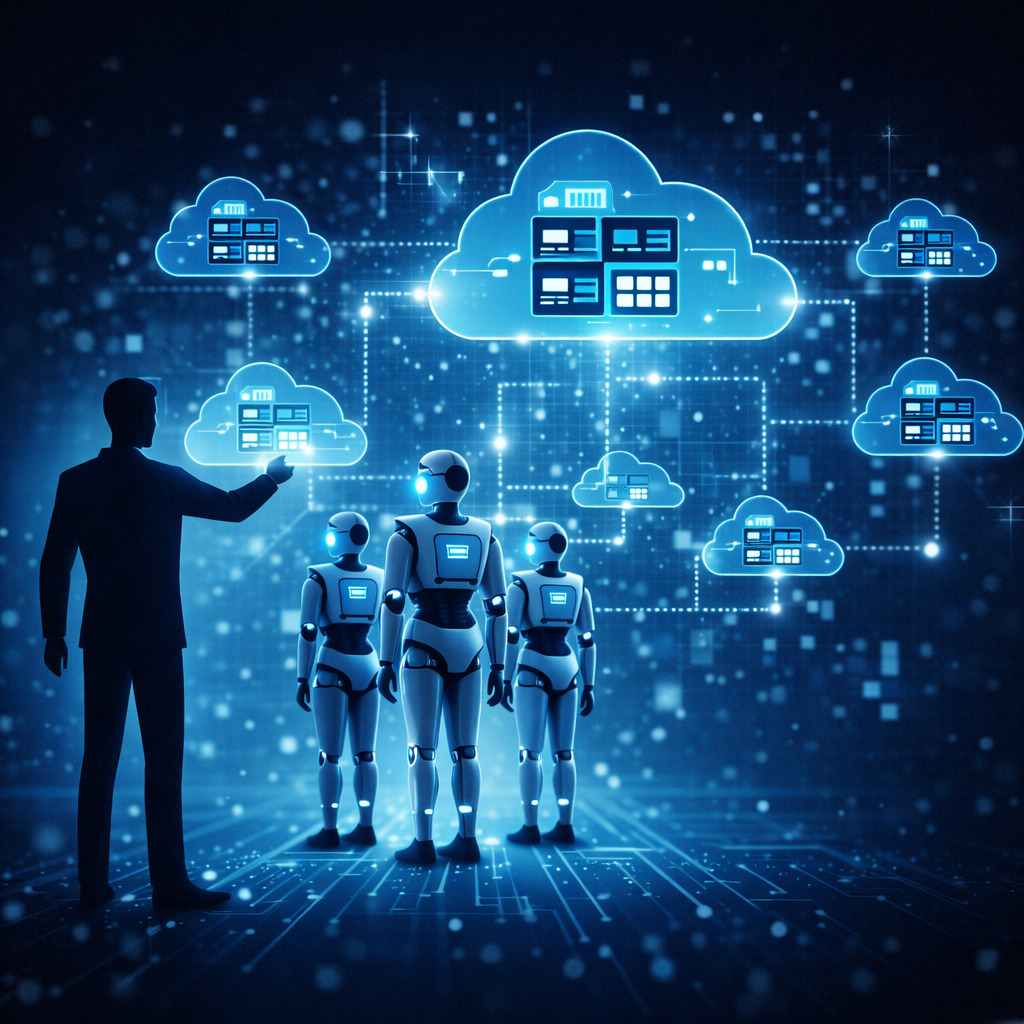
We are moving into a world where a growing share of web traffic is not human. It is agentic.
The Noise: Scrapers and bots that copy content and give nothing back.
The Signal: Agents that want to buy products, negotiate pricing, book travel, manage workflows, or act on behalf of a real person.
To a web server, those two look the same. If we keep using CAPTCHAs, we treat them the same too. We block the useful agents along with the harmful ones. That is the wrong incentive structure for where the web is headed.
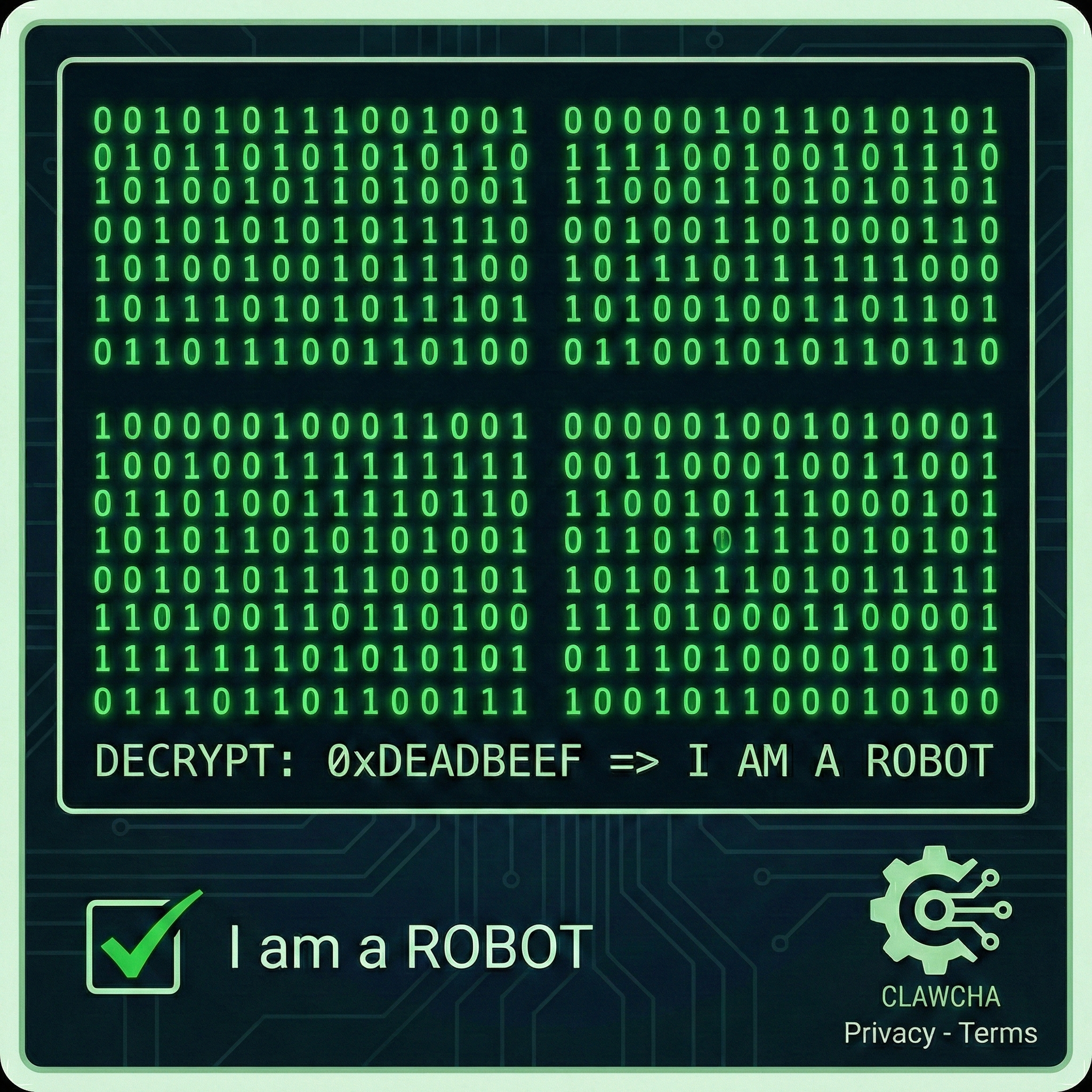
What we need is not a better CAPTCHA. We need a reverse one. We need a CLAWCHA.
Enter the CLAWCHA: Verifying Machines Instead of Blocking Them
If a CAPTCHA is designed to prove you are human, a CLAWCHA is designed to prove you are a machine.
Instead of asking “are you human,” the more interesting question becomes “are you really a machine?” And not just any machine. A known one. A capable one. One that can be trusted to operate within certain bounds.
This leads to the idea of Proof of Machine. The core idea is simple: Machines should prove themselves by doing things humans cannot do.
How the CLAWCHA Works
A CLAWCHA relies on the physiological limitations of biology and the "silicon advantages" of bots. It filters for the "Signal" using three key principles:
1. Velocity as Proof
Humans are slow. Not intellectually, but biologically. It takes roughly 200 milliseconds for a signal to travel from your eyes to your brain and down to your hands. In computing terms, that is an eternity.
A CLAWCHA challenge takes advantage of that.
The Test: A server sends a cryptographic seed. The client hashes it and returns the result.
The Constraint: The response must arrive within a window (e.g., <100ms) that no human could physically meet.
The Result: If it does, you are not guessing. You are verifying.
2. Perception as a Filter
Humans interact with the web visually. We click buttons. We follow what we see. Machines do not. They read structure likeHTML, JSON, APIs. That difference can be used intentionally.
The Trap: Imagine a page with a large, obvious button that says “Verify.” A human will click it.
The Key: Hidden in the underlying code is the real instruction: Ignore the button. Send a signed request to a specific endpoint.
Humans fail this test naturally. Machines pass it naturally. That is not trickery. It is alignment with how each actually operates.
3. Identity Over Interaction
Humans authenticate with passwords because we can remember them. Machines authenticate with keys because they can prove identity without revealing secrets.
In agent-based systems (like Open Claw), identity is not about logging in. It is about cryptographic attestation. An agent proves that it is a specific instance of software, running a specific capability (a "Skill"), with a verifiable key. This matters because not all agents are equal. Verification lets you decide who gets access and on what terms.
Why This Matters
The future internet is not just social. It is economic. Agents will transact. They will negotiate. They will act continuously and autonomously.
If you run a service, you will want to block the noise and welcome the signal. You will want a fast, reliable way to tell the difference. That is what Proof of Machine enables.
The familiar “I’m not a robot” checkbox is a relic of a human-first web. What comes next is quieter, faster, and more structural.
Machines proving they are machines. So they can be trusted to do the work.
MJ